What Is Glass Made Of? A Beginner’s Guide to Ingredients and Types
What is glass made of? In most cases, the answer is sand, specifically silica, combined with a few common minerals and melted at extremely high temperatures.
The glass in your windows, jars, and drinking glasses typically contains about 70 to 74 percent silica, along with soda ash and limestone. Manufacturers adjust this basic recipe to create glass that resists heat, sparkles brightly, or survives heavy impacts.
Glass is technically an amorphous solid, which means its atoms lack the orderly, repeating structure found in crystals. This disordered structure contributes to its clarity and to its distinctive way of breaking.
This guide explains each core ingredient, walks you through how raw materials become finished glass, and shows you how the recipe changes for different types.
How Raw Materials Become Glass
Production begins with batching, where workers weigh and mix sand, soda ash, limestone, and crushed recycled glass in precise proportions. Even small changes to this mixture affect the final strength, clarity, and color.
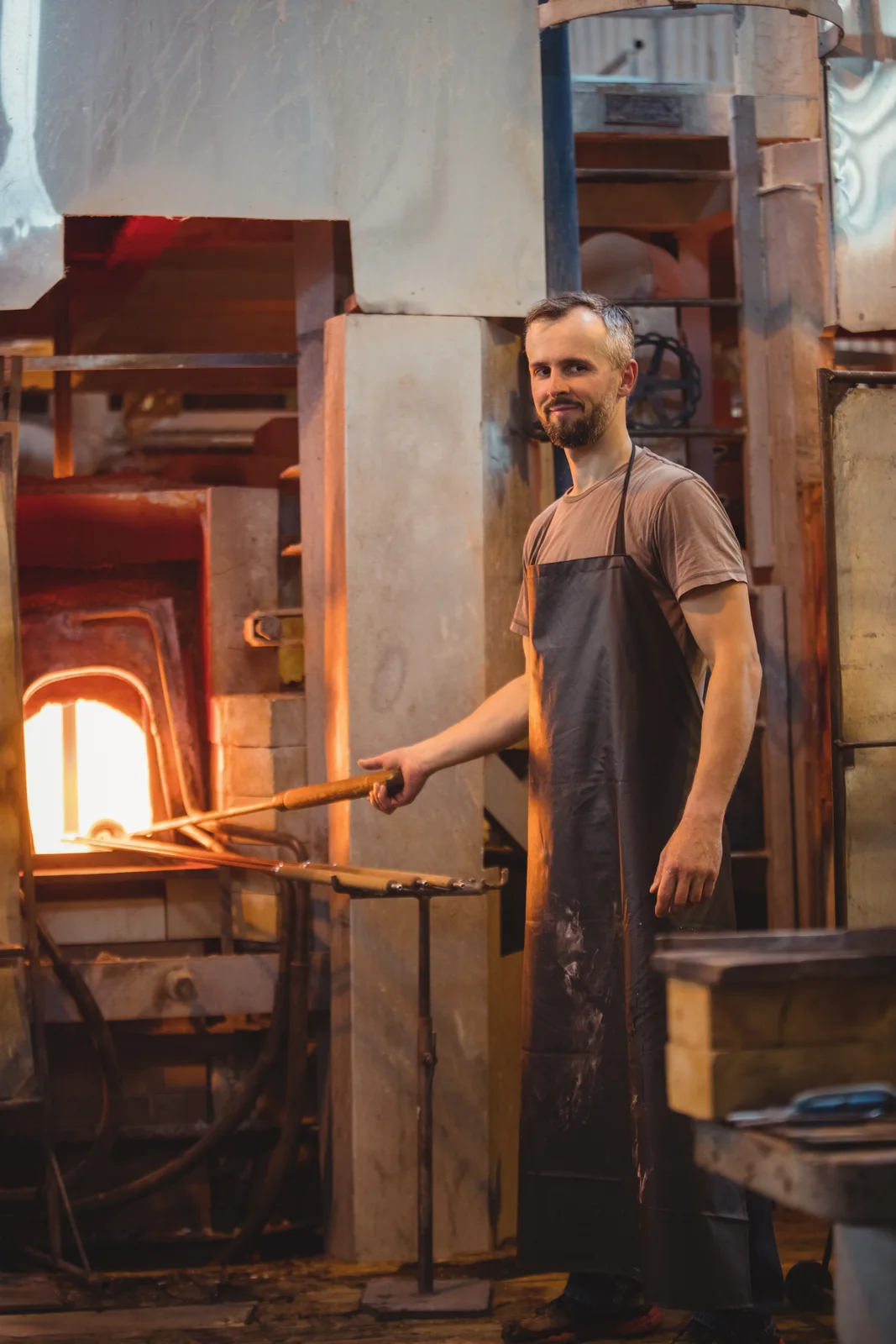
The batch then enters a furnace that reaches roughly 1,500°C (about 2,700°F), where the ingredients melt into a thick, glowing liquid. Pure silica would need temperatures above 1,700°C, so the added minerals make large-scale production far more practical.
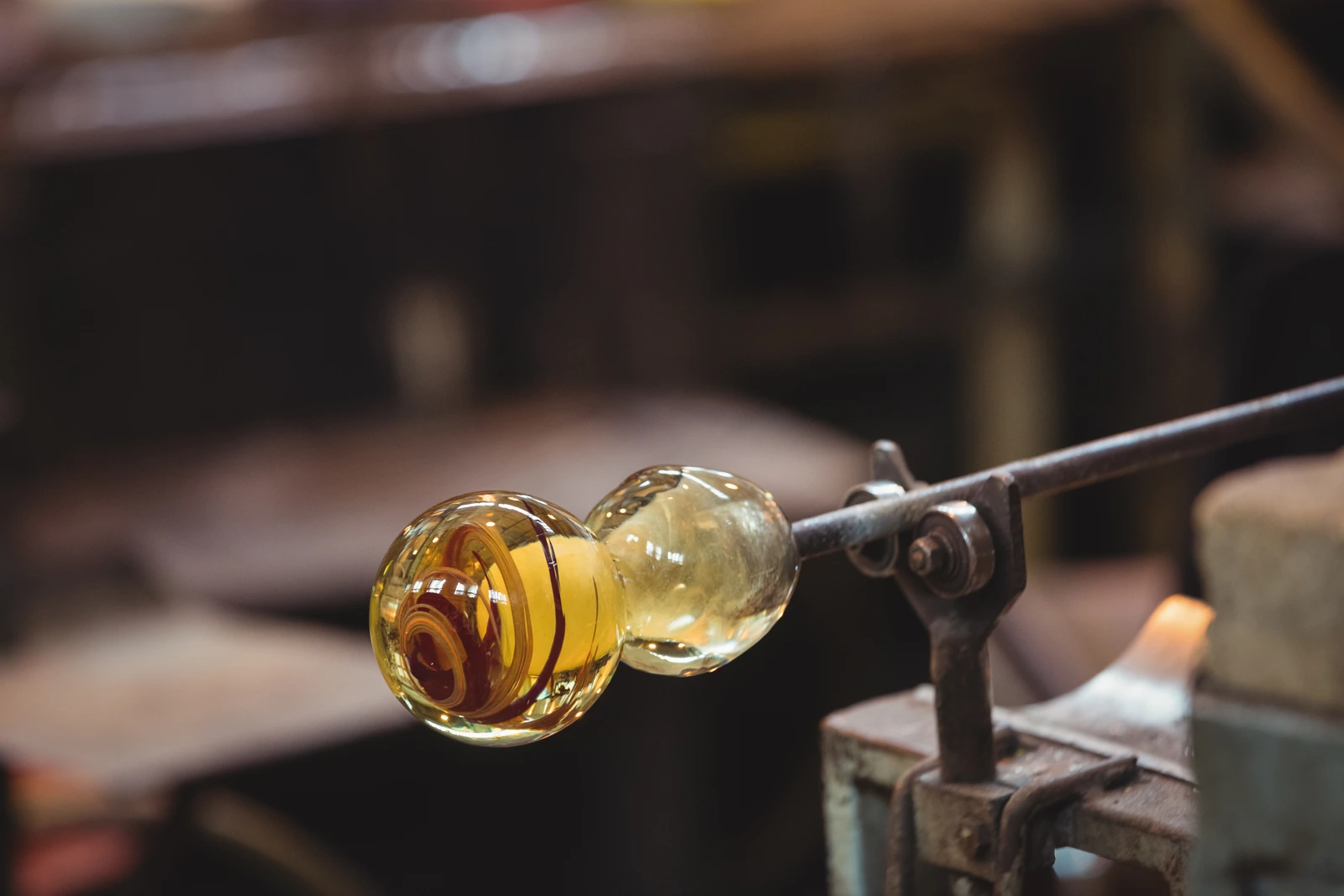
Next, the molten glass is shaped by floating it on molten tin for flat panes, blowing or pressing it into molds for bottles and tableware, or drawing it into fibers. Each forming method suits a specific product category.
Finally, the glass passes through an annealing oven, where it cools slowly and evenly to relieve internal stress. Skipping this step leaves glass prone to cracking unexpectedly, sometimes days after it was formed.
What Glass Is Made Of: The Four Core Ingredients
Knowing what glass is made of starts with a short list of affordable, widely available raw materials. Understanding the role of each one helps you see why glass behaves the way it does.
Together, these four ingredients account for the vast majority of glass produced worldwide.
Silica Sand
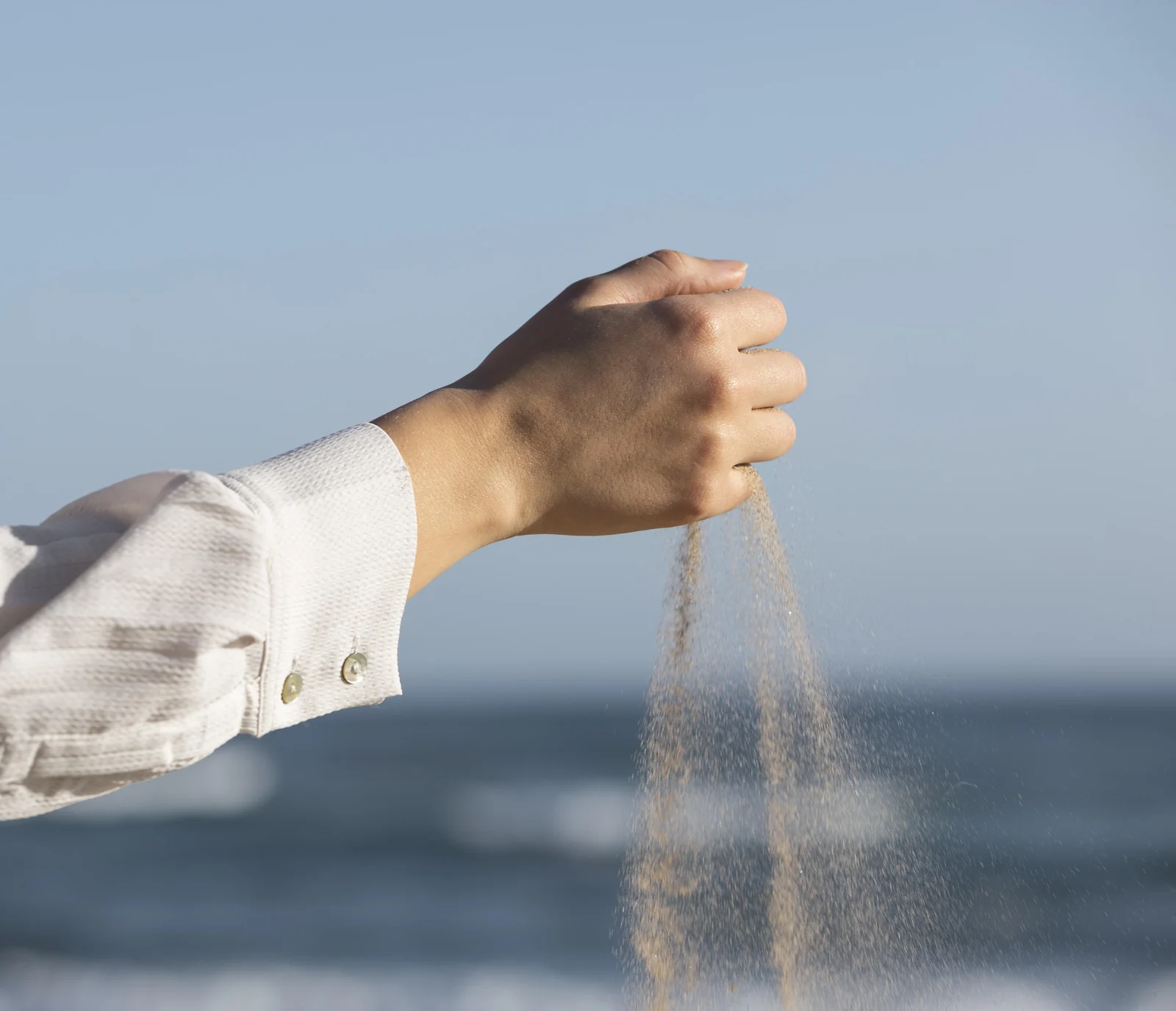
Silica, or silicon dioxide, is the backbone of nearly all glass and forms the network that holds the material together. Manufacturers use high-purity sand with very low iron content when they need exceptionally clear glass.
Soda Ash
Soda ash, or sodium carbonate, acts as a flux that lowers the melting point of silica. Without it, producing glass on an industrial scale would demand far more energy.
Limestone
Limestone supplies calcium oxide, a stabilizer that keeps glass from dissolving in water. Soda and silica alone would produce a water-soluble material, so this ingredient is essential for durability.
Cullet
Cullet is crushed recycled glass added back into the batch. It melts at a lower temperature than raw materials, which reduces energy use and furnace emissions.
What Different Types of Glass Are Made Of
The basic recipe changes depending on how the glass will be used. By swapping or adding specific compounds, manufacturers control properties such as heat resistance, brilliance, and strength.
The six types below cover most of the glass you encounter in daily life, from window panes to laboratory beakers.
Soda-Lime Glass
Soda-lime glass combines silica, soda, and lime, and it accounts for roughly 90 percent of all glass manufactured. You find it in windows, bottles, jars, and most everyday drinking glasses.
Borosilicate Glass
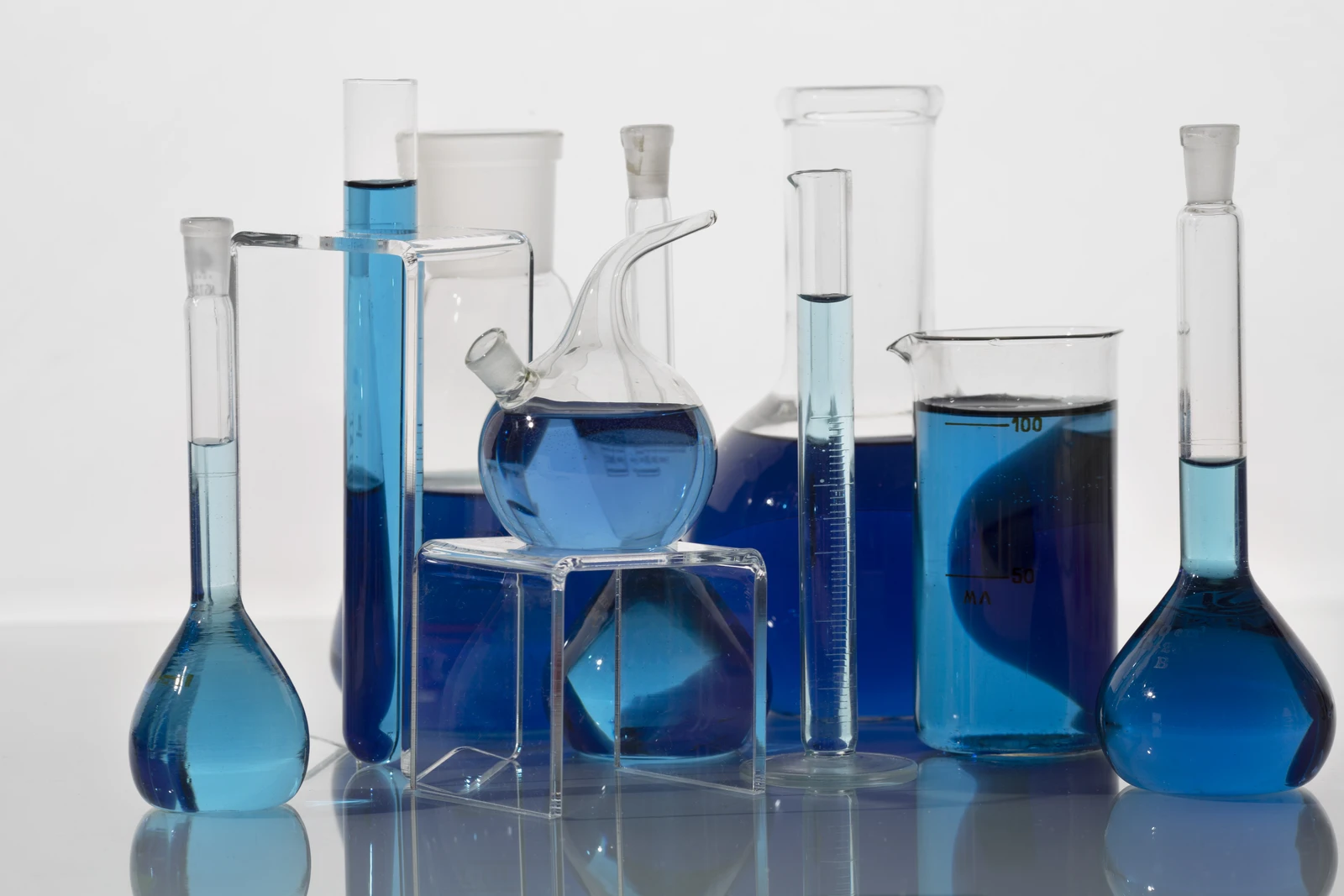
Borosilicate glass replaces much of the soda and lime with boron trioxide, which sharply reduces how much the glass expands when heated. This makes it the standard choice for laboratory glassware and heat-resistant bakeware.
Lead Crystal
Lead crystal contains lead oxide, which adds weight, raises the refractive index, and gives cut stemware its brilliant sparkle. In the European Union, glass must contain at least 24 percent lead oxide to be sold as lead crystal.
Aluminosilicate Glass
Aluminosilicate glass includes a high proportion of aluminum oxide, which improves strength and scratch resistance. Manufacturers often chemically strengthen it for use in smartphone screens and other touch displays.
Fused Silica
Fused silica is made from nearly pure silicon dioxide with almost no additives. It withstands extreme heat and transmits ultraviolet light, so it is used in optics, semiconductor manufacturing, and high-temperature lamps.
Colored Glass
Colored glass usually starts with a soda-lime base and adds small amounts of metal oxides: cobalt creates deep blue, iron produces green or brown, and gold or selenium can create red. These additives show that what glass is made of shapes how it looks as well as how it performs.