
Borosilicate Glass: What It Is, How It Works, and Where It Is Used
Borosilicate glass is a type of glass made with boron trioxide, which gives it exceptional resistance to heat and sudden temperature changes. That single property explains why it appears in laboratory beakers, coffee carafes, and premium bakeware.
German chemist Otto Schott developed this material in the late nineteenth century to meet the needs of scientific and industrial work. Corning Glass Works later brought it into American homes with the launch of Pyrex in 1915.
Compared with ordinary glass, it holds up better under thermal stress and resists many more chemicals. It is not unbreakable, however, so understanding its strengths and limits helps you use it safely.
This guide covers what makes borosilicate glass different, how it compares with standard soda-lime glass, and the most common places you will find it.
What Makes Borosilicate Glass Different
A typical borosilicate formula contains about 80 percent silica and roughly 13 percent boron trioxide, with small amounts of sodium oxide and aluminum oxide. Boron is the key ingredient, because it changes how the glass responds to heat.
All glass expands as it warms and contracts as it cools, and uneven expansion creates the stress that causes cracks. This glass expands only about one third as much as standard glass, so temperature differences produce far less internal strain.
Low thermal expansion lets you move it between hot and cold conditions with a much lower risk of shattering. It also has a higher softening point, roughly 820°C (about 1,500°F), which supports its use in demanding settings.
The material also resists attack from water, acids, and most chemicals. That stability keeps it from leaching substances into food or reacting with laboratory samples.
Borosilicate Glass vs. Soda-Lime Glass
Soda-lime glass is the most common glass in the world, used in windows, jars, and everyday drinkware. It is inexpensive to produce, but it handles sudden temperature changes poorly compared with borosilicate.
Borosilicate costs more to manufacture because it requires higher melting temperatures and more specialized raw materials. In return, you get greater thermal shock resistance, better chemical durability, and a longer service life in heat-intensive tasks.
Soda-lime glass can be tempered to improve its strength and impact resistance. Tempered glass may survive a drop better, yet it still lacks the heat tolerance of borosilicate.
Brand names can be misleading, so read product labels carefully before you buy. For example, much of the Pyrex-branded bakeware sold in the United States has been made from tempered soda-lime glass for decades, while pyrex products sold in Europe are typically borosilicate.
Common Uses of Borosilicate Glass
Its combination of heat tolerance, clarity, and chemical resistance makes this material valuable across science, industry, and the home. Below are the areas where you are most likely to encounter it.
In each case, the material solves a problem that ordinary glass would struggle to handle.
Laboratory Glassware
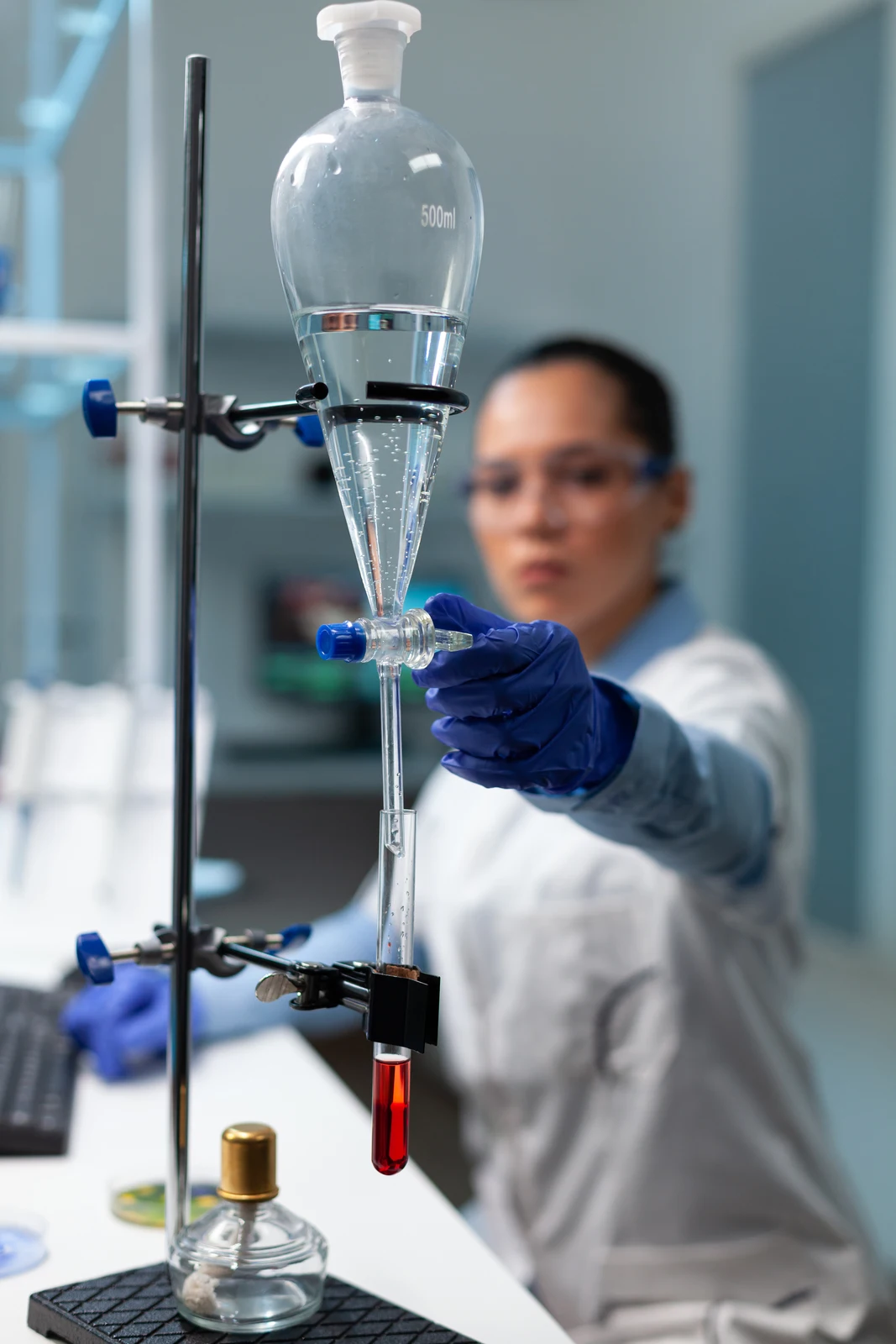
Beakers, flasks, test tubes, and pipettes are commonly made from borosilicate because they must withstand direct heating and contact with harsh chemicals. Its clarity also lets you observe reactions without distortion.
Kitchen and Bakeware
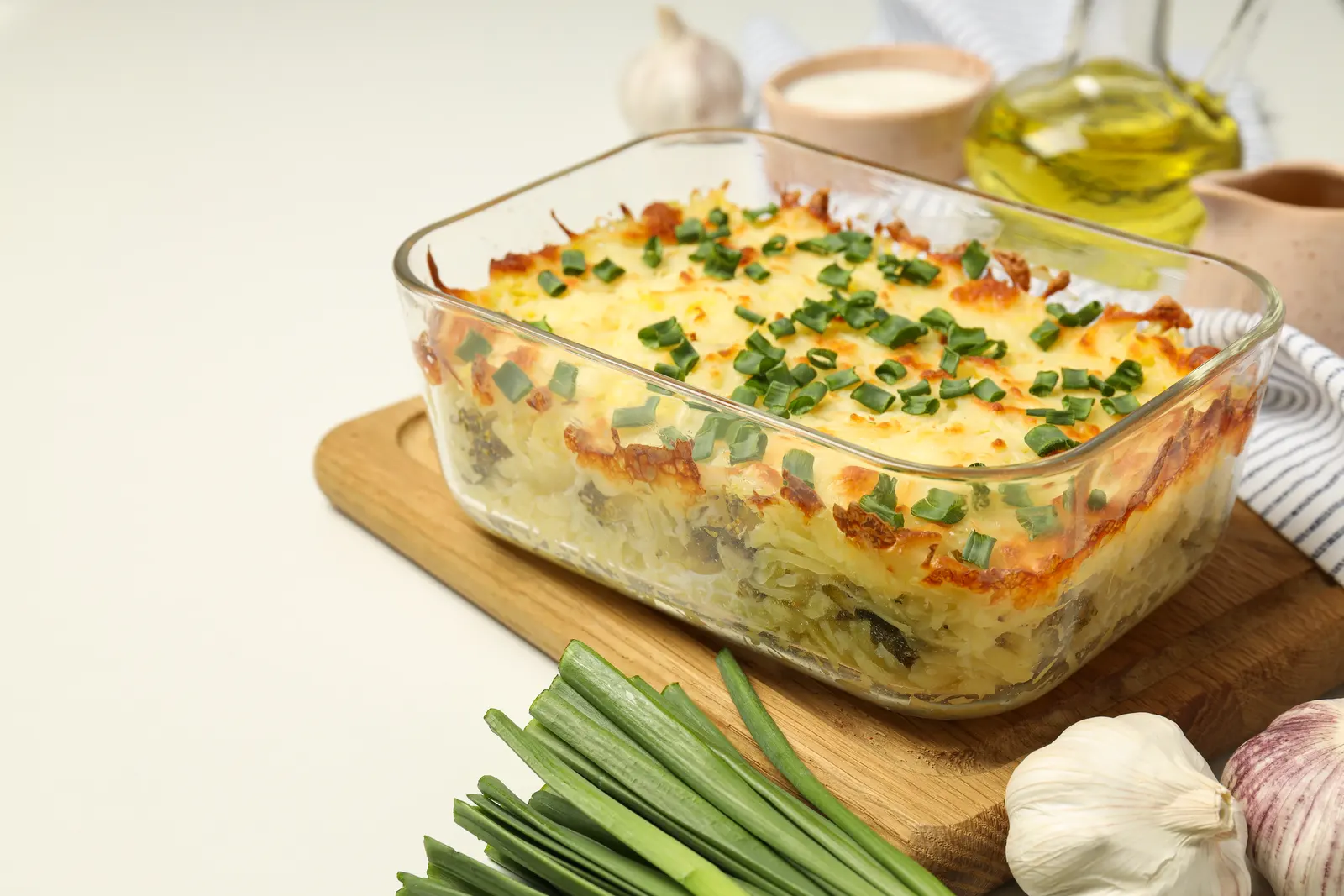
Measuring cups, baking dishes, and storage containers made from borosilicate handle oven heat and refrigerator cold with a reduced risk of cracking. Even so, avoid placing a hot dish on a wet or cold surface, since extreme shocks can still break it.
Coffee and Tea Equipment
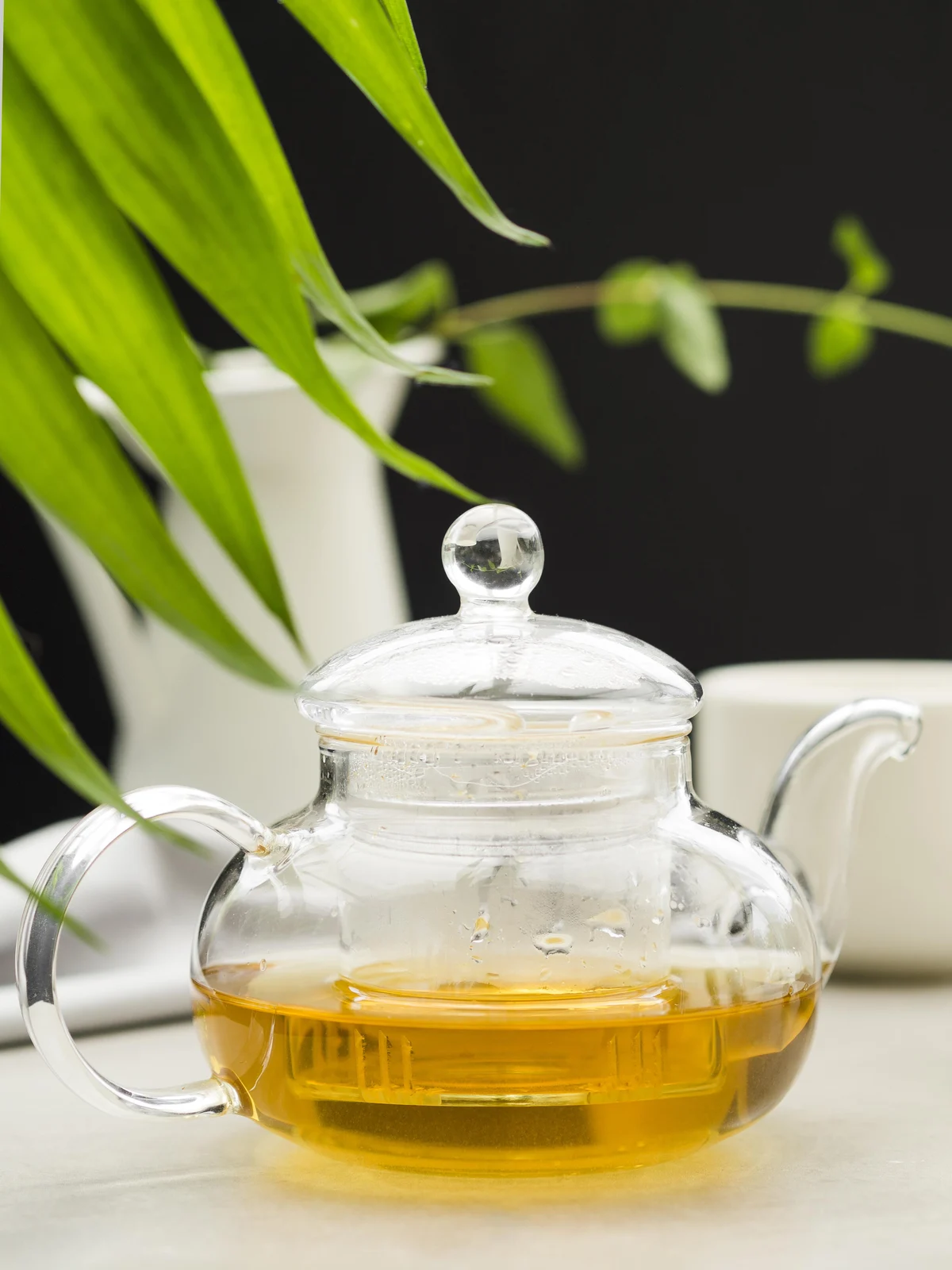
Pour-over brewers, French presses, and teapots often use borosilicate so they can hold boiling water without stressing the glass. Double-walled drinking glasses rely on it as well, keeping beverages hot while the outer wall stays comfortable to hold.
Science, Optics, and Lighting
Large telescope mirrors, including the 200-inch mirror at Palomar Observatory, were cast from borosilicate to limit distortion from temperature changes. You will also find it in high-intensity lighting and sight glasses, making borosilicate glass a smart choice wherever heat and precision meet.